


An introduction to HPV - What is it?

Author: Janine Soo Thow NZRN/AUSRN & Clinical Preceptor - BSci, BHSci(Nursing), PGCertPHCSpecialtyNursing

HPV stands for Human Papillomavirus.

Human papillomaviruses are very common viruses that only infect humans. It is the most common sexually transmitted infection in the world.

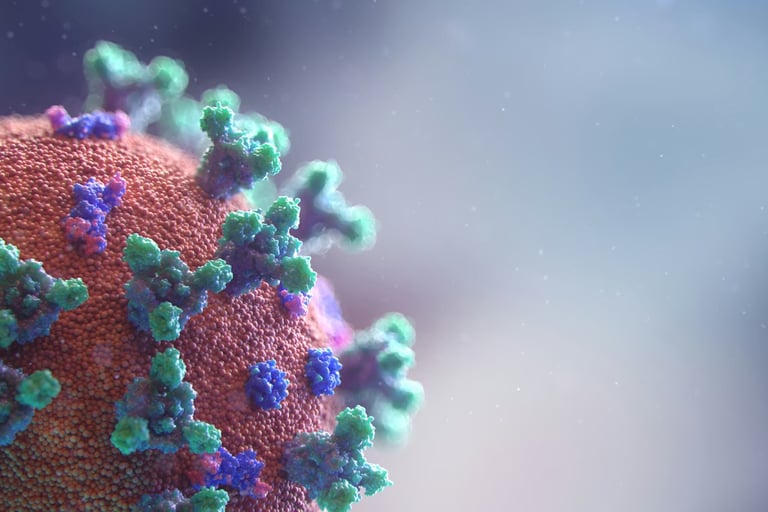
Image credit: Fusion Medical Animation

There are over 150 types of HPV viruses. HPV viruses have a strong affinity for skin cells and cells of the mucous membranes with more types getting identified every year.

HPV viruses are classified in two groups: whether they can cause cancer or not. Of the 150 types of HPV, approximately 40 are sexually transmitted, whereas 15 of these are cancer causing.

It is important to know that at least 80% of adults in their lifetime will contract HPV. Most HPV infections do not show any symptoms and will usually clear on their own within about 2 years without causing any other health issues. However, some people who contract HPV do not clear it. This means they have had a persistent infection which could have been hidden for years. Usually, these high-level types of HPV viruses contain oncogenes which can cause cancer.

HPV TYPES

Low risk HPV types (non-cancerous types), such as HPV 6 and HPV 11, are responsible for causing genital warts. Warts on the hand are caused by other different types of HPV but contact with these do not cause genital HPV warts.

High risk HPV types, such as HPV 16 and HPV 18, are the most common high-risk types associated with cancers of the genitalia and the back of the throat.

HPV TRANSMISSION

The HPV virus is primarily transmitted through sexual contact. Although condoms reduce HPV transmission, they still don’t protect one from HPV as HPV can spread during oral, vagina lor anal sex. HPV is very common that almost all men and women contract it at some point in their lives.

HPV exposure can also occur from toys that are used or shared during sex.

It is rare for pregnant woman with HPV to pass it to her baby during delivery.

Infection with one type of HPV does not provide protection against other types of HPV as a person can be infected with multiple HPV types.

Author: Janine is a NZ/AUS registered nurse, clinical preceptor & cervical smear test taker who is deeply passionate about education and sharing knowledge on women’s health, mental health & chronic illness.During her time as a GP nurse & women’s health nurse, she helped run multiple women’s health clinics in Auckland.

Drawing from her professional clinical experiences & personal journey as a patient living with dysmenorrhoea, endometriosis, adenomyosis and PCOS, she firmly believes that knowledge is power and that open discussions of women’s health is essential for advocacy and change.